
Most people notice indoor air quality only when allergies flare, dust settles quickly on surfaces, or a lingering odor refuses to clear. Yet many of the factors that degrade the air inside a home are tied to routine maintenance tasks that are easy to postpone. Simple, consistent attention to filters, moisture, ventilation, and source control produces measurable improvement without requiring major renovations. Homeowners looking for practical ways to breathe easier often discover that effective indoor air quality solutions begin with habits that are frequently overlooked rather than with expensive new equipment alone.
Replace and Upgrade Filters on a Real Schedule
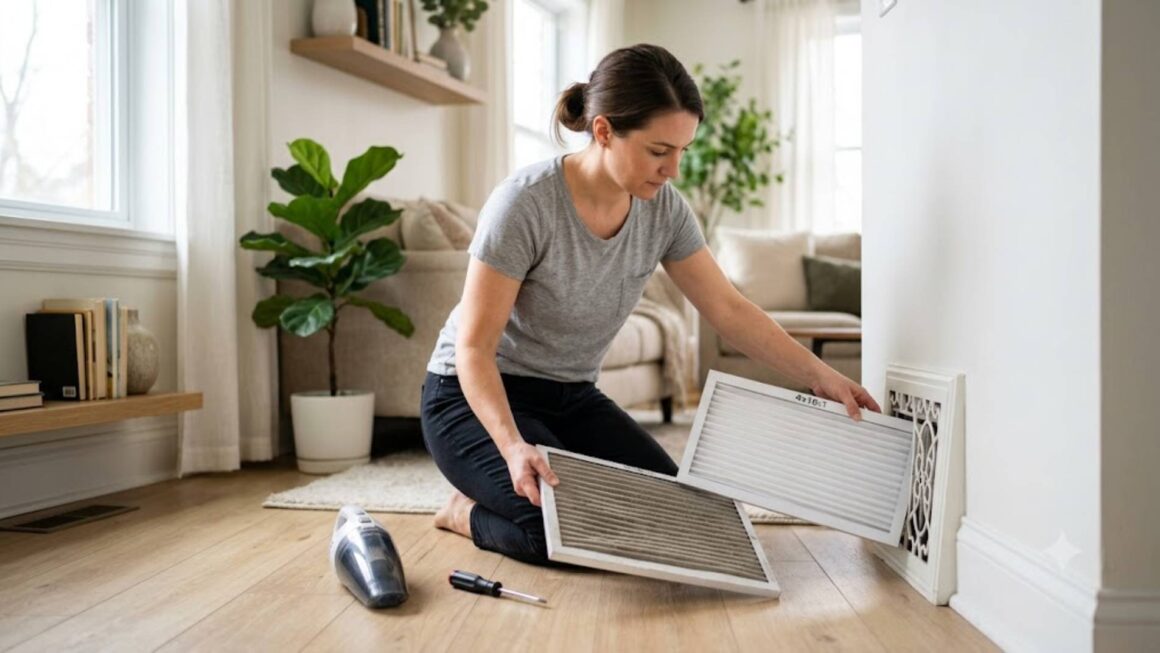
The furnace or air-handler filter is the most basic yet most commonly neglected component of indoor air management. A loaded filter restricts airflow, reduces system efficiency, and allows particles that should have been captured to recirculate. Checking the filter monthly and replacing it every one to three months—sooner in homes with pets, construction activity, or high dust—keeps the system from becoming a distribution network for contaminants.
Filter quality matters as much as frequency. A higher-MERV filter captures smaller particles, including many allergens and fine dust, provided the system can handle the added resistance. Using the correct size and seating it properly so air cannot bypass the media prevents the common problem of an expensive filter that does little because air simply flows around it.
Keep Moisture Under Control
Excess humidity encourages dust mites, mold growth, and musty odors. Too little humidity dries mucous membranes and increases static and particle suspension. Both conditions affect how clean the air feels and how well occupants tolerate it.
Monitoring indoor relative humidity with an inexpensive hygrometer reveals whether the home stays within the generally recommended 30–50 percent range. In damp seasons or basements, a dehumidifier or proper air-conditioning operation removes moisture. In dry winter months, a controlled humidifier prevents the air from becoming uncomfortably arid. Addressing water leaks, wet carpets, or condensation on windows removes the conditions that allow mold to become established in the first place.
Clear the Path for Proper Airflow
Blocked return vents, closed supply registers, and furniture pushed against air outlets force the system to work harder and create pressure imbalances that pull unfiltered air from attics, crawl spaces, or wall cavities. Keeping vents unobstructed and ensuring that return air paths remain open improves both comfort and filtration effectiveness.
Supply registers that blow directly against curtains or walls also stir settled dust back into the breathing zone. Adjusting register direction or simply dusting those surfaces more often reduces the amount of material that becomes airborne each time the system cycles.
Address the Outdoor Unit and Drainage
An outdoor condenser coated in leaves, grass, or dirt transfers less heat and can raise indoor humidity because the air conditioner runs longer or less effectively. Clearing debris and gently rinsing the coil improves cooling performance and helps the system control moisture. The condensate drain line that carries water away from the indoor coil should remain clear; a clogged drain can cause water to back up, creating a reservoir for microbial growth that the system then distributes.
Pouring a small amount of distilled vinegar or a manufacturer-approved cleaner through the drain line several times a year helps prevent algae buildup. If the system has a secondary drain pan, periodic inspection for standing water catches problems before they damage ceilings or foster mold.
Reduce Indoor Sources of Particles and Chemicals
Filtration can only capture what is already in the air. Limiting the introduction of particles and volatile compounds reduces the overall load. Vacuuming with a HEPA-filter machine, using doormats, and removing shoes at the entrance cut down on tracked-in dust and pollen. Choosing lower-VOC cleaning products, avoiding excessive use of air fresheners and candles, and storing household chemicals outside occupied spaces decrease the chemical burden.
Kitchen range hoods vented to the outdoors remove cooking moisture, grease, and combustion byproducts far more effectively than recirculating fans. Running the bath fan during and after showers limits humidity that would otherwise migrate into other rooms.
Maintain Ductwork and Consider Professional Cleaning When Warranted
Dust and debris accumulate inside ducts over years of operation. While routine duct cleaning is not necessary for every home, visible mold growth, substantial debris discharge from supplies, or evidence of pest infestation justify professional evaluation. Damaged or disconnected ducts in attics or crawl spaces can pull in unconditioned, unfiltered air and should be sealed.
Even without full cleaning, ensuring that access panels are properly closed and that flexible ducts are not crushed or disconnected maintains the integrity of the distribution system.
Pay Attention to Seasonal Transitions
The change from cooling to heating season, or the reverse, often stirs dust that settled during the off months. Replacing the filter just before the system begins regular operation for the new season prevents that accumulated material from circulating. A quick visual check of the outdoor unit, condensate line, and visible ductwork at these transition points catches issues while they are still minor.
In spring, pollen loads rise sharply; more frequent filter changes and keeping windows closed on high-pollen days limit what enters the home. In fall, leaf litter around the outdoor unit and the first activation of the heat source both deserve attention.
Monitor and Respond to Changes
Sudden increases in dust accumulation, new musty odors, recurring allergy symptoms among occupants, or unexplained rises in humidity are practical signals that maintenance has slipped or that a new problem has developed. Keeping a simple record of filter change dates, humidity readings, and any noticeable changes in air quality makes patterns easier to recognize.
When basic steps do not produce improvement, professional assessment of the HVAC system, duct leakage, or specific contaminant sources can identify issues that routine homeowner maintenance cannot reach.
Building Consistency Rather Than Perfection
Cleaner indoor air does not require a complete overhaul of the house. It results from repeating a modest set of tasks—filter care, moisture management, source reduction, and airflow maintenance—with reasonable consistency. These often-ignored habits compound over months and years, lowering particle levels, reducing odors, and making the indoor environment more comfortable for everyone who lives there. The difference is rarely dramatic on any single day, yet it becomes obvious when the cumulative effect of steady attention replaces the slow decline that follows prolonged neglect.
Conclusion
Achieving cleaner indoor air depends on consistent home maintenance practices that target the most common sources of indoor pollutants. From regular air filter changes and effective humidity control to unobstructed airflow, reduced chemical sources, and seasonal HVAC care, these often-ignored tips form the foundation of lasting indoor air quality improvement. Homes that prioritize these straightforward maintenance steps experience lower dust levels, fewer allergy triggers, and fresher, healthier air year-round. By making indoor air quality maintenance a regular habit rather than an afterthought, homeowners protect comfort, support respiratory health, and enjoy the lasting benefits of consistently cleaner indoor air.