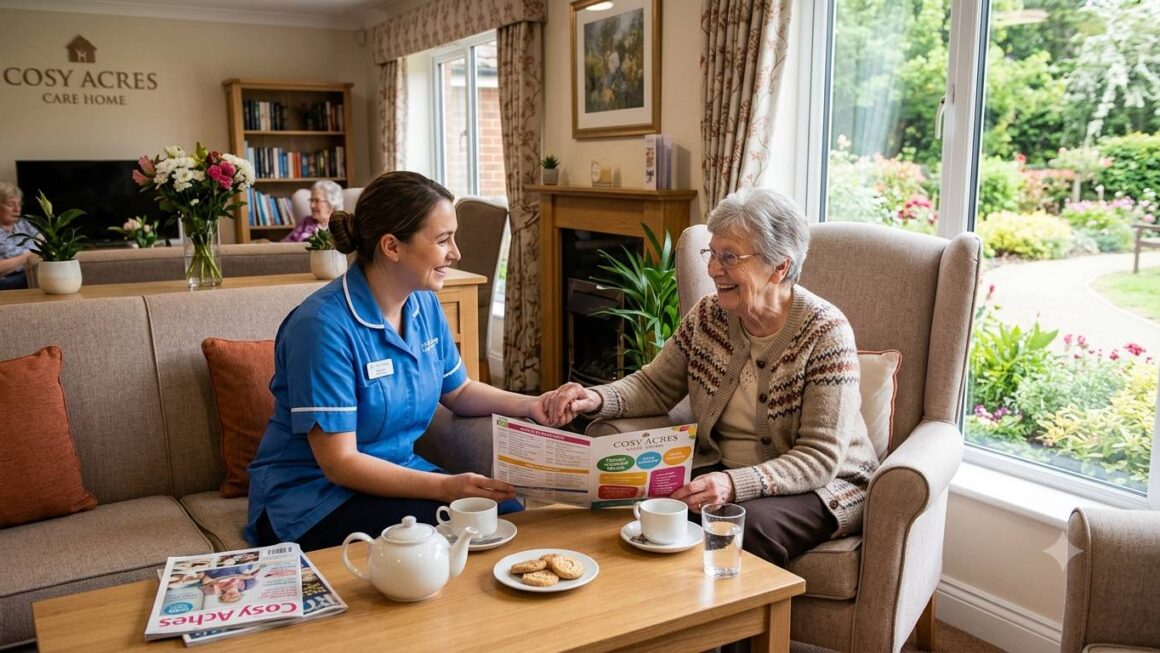

Moving into a care home is a significant change. Good care is essential, but feeling comfortable, respected and settled matters just as much. A genuinely homely environment should give residents a sense of familiarity while providing the everyday support they need.
When families compare residential care homes in hemel hempstead, it helps to look beyond the appearance of the building. The way residents are treated, how much choice they have, their daily routines and the relationships they develop with staff can all influence whether a care home truly feels like home.
A Homely Atmosphere Starts With Personal Choice
Home is a place where people make everyday decisions for themselves. Moving into residential care should not mean losing that sense of independence.
Residents should be encouraged to make choices wherever possible. These may include deciding when they get up, what they wear, where they spend their time, which activities they join and how they prefer to enjoy their meals.
Small choices can make a significant difference. Being able to follow familiar routines helps maintain a sense of control and identity, especially during the first few weeks after moving.
Families should therefore ask how the home supports individual preferences rather than expecting every resident to follow exactly the same timetable.
Familiar Surroundings Can Make Settling In Easier
A bedroom should feel like a resident’s personal space rather than simply another room in a care setting. Familiar belongings can help create that connection.
Photographs, favourite books, ornaments and other meaningful possessions can make new surroundings feel more recognisable. Families considering a care home should ask what personal items residents are encouraged or permitted to bring.
Comfort also extends beyond the bedroom. Shared lounges, dining areas, gardens and quieter spaces should allow residents to choose where they feel most comfortable.
A good environment needs to balance accessibility and safety with warmth and character. Practical design is important, but the surroundings should still feel welcoming rather than overly clinical.
Good Relationships With Staff Matter Every Day
Buildings and facilities are only part of residential care. The people providing support have a major influence on daily life.
Residents should be treated as individuals whose experiences, interests and preferences matter. Staff who take time to learn how someone likes their tea, what subjects they enjoy discussing or which routines are important to them can help create familiarity.
Consistency is valuable too. Regular interaction with familiar members of staff can help residents build trust and feel more comfortable asking for assistance.
When visiting a care home, families can observe how staff communicate with residents. Respectful conversations, patience and natural interaction can reveal a great deal about the general atmosphere.
Personalised Support Helps Protect Independence
Residential care is intended to provide help with aspects of daily life that a person may find difficult while allowing them to continue doing what they can independently.
The level of assistance required will differ from one person to another. Some residents may need help with washing, dressing or medication, while others may mainly benefit from having meals prepared, household tasks managed and companionship readily available.
When assessing residential care homes in hemel hempstead, families should ask how individual needs and preferences are identified and reviewed. Care should be flexible enough to respond when someone’s circumstances change rather than remaining fixed around a standard routine.
Good support should also protect dignity. Staff should explain what they are doing, respect privacy and involve residents in decisions about their daily care whenever possible.
Everyday Life Should Have Meaning and Variety
Feeling at home involves more than receiving practical care. People still need interests, conversation, purpose and opportunities to spend their time in ways they enjoy.
Activities can provide structure and social contact, but residents should not feel pressured to participate. Some people enjoy group events, while others prefer reading, gardening, listening to music or having quieter conversations.
A useful way to assess everyday life in a care home is to consider whether residents can:
- continue hobbies and interests that matter to them;
- choose whether to take part in organised activities;
- spend time outdoors when appropriate;
- enjoy quiet time when they prefer it;
- maintain contact with friends and relatives;
- take part in decisions about their daily routine.
The important point is choice. A busy activity programme alone does not create a homely environment. Activities need to reflect the personalities, abilities and interests of the people who live there.
Food and Mealtimes Should Feel Comfortable
Meals are an important part of everyday home life. They provide nutrition, but they can also offer routine, enjoyment and social contact.
Families should consider how a prospective care home handles individual tastes, dietary needs and mealtime preferences. Residents may sometimes want to eat socially, while at other times they may prefer a quieter meal.
It is also worth asking how staff learn about favourite foods, dislikes and established eating habits. Respecting these preferences can make everyday routines feel much more personal.
Family Connections Should Continue Naturally
Moving into residential care should not separate someone from the relationships that have shaped their life.
Regular contact with relatives and friends can support emotional wellbeing and help residents maintain continuity between their previous home and their new surroundings. Families should understand the home’s visiting arrangements and whether relatives can participate in activities, celebrations or ordinary day-to-day visits.
Communication between staff and relatives is also important, particularly when a resident needs help expressing concerns or when their needs begin to change.
Families and care staff have different roles, but open communication can help everyone understand what matters most to the resident.
Visiting Before Making a Decision
A brochure or website can provide useful information, but visiting a care home offers a clearer sense of what daily life may actually be like.
Pay attention to the atmosphere rather than focusing only on decoration. Notice whether residents appear comfortable, whether staff speak respectfully and whether communal spaces feel relaxed and used.
Ask how personal routines are handled, how care plans are reviewed, how families are kept informed and what happens if someone’s care needs increase. If professional advice is needed, a care needs assessment or discussion with relevant health and social care professionals can help clarify which type of support is appropriate.
Conclusion
What makes a care home genuinely feel like home is rarely one particular feature. It comes from a combination of respectful care, personal choice, familiar routines, meaningful relationships, comfortable surroundings and opportunities to continue enjoying everyday life.
When considering residential care homes in hemel hempstead, families should think carefully about how well each setting can support the individual’s personality, preferences and changing needs. Visiting in person, asking practical questions and involving the person who will be receiving care wherever possible can help families make a thoughtful and informed decision.