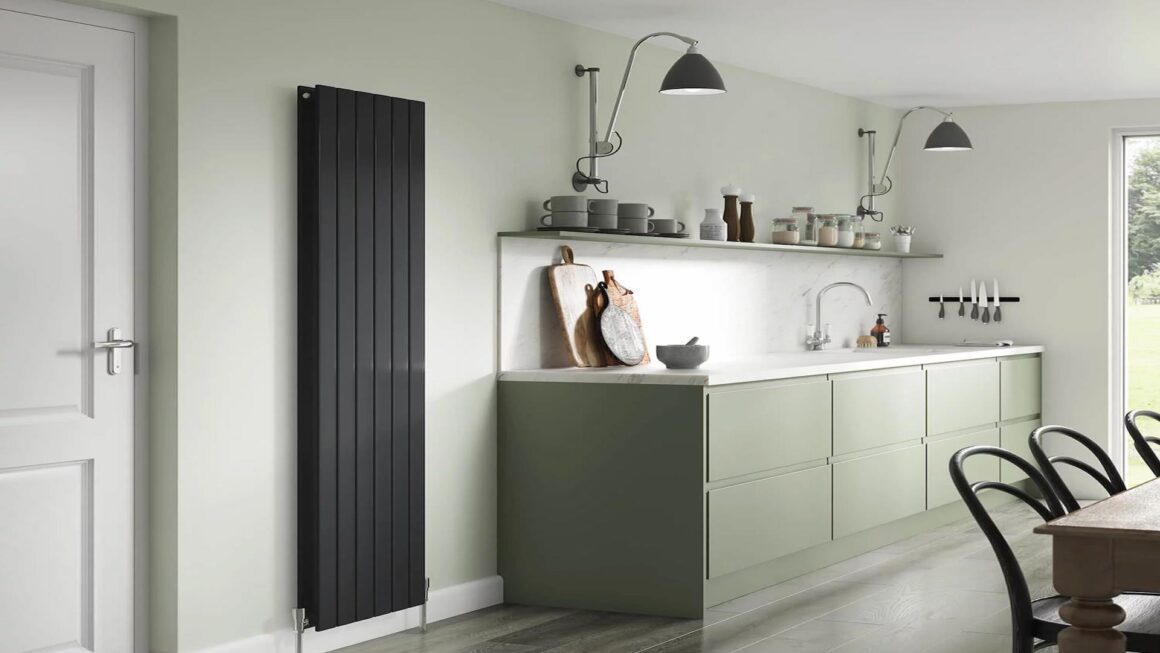
When it comes to heating your home efficiently, choosing the right radiator can make a significant difference. Many homeowners focus on size, style, or finish, but the type of radiator panel is just as important. One of the most common decisions is whether to choose a single panel or double-panel radiator.
With a wide range of Radiators available for different room sizes and heating requirements, understanding the differences between these two options can help you make a more informed choice. While both are designed to heat a room effectively, they operate slightly differently and suit different environments.
In this guide, we’ll explain what single and double panel radiators are, how they compare, and which option may be best for your home.
What Is a Single Panel Radiator?
A single panel radiator consists of one metal panel through which hot water flows. As the panel heats up, it radiates warmth into the room. Some single panel models also include a set of convector fins attached to the back to improve heat output.
Because they contain only one panel, these radiators tend to have a slimmer profile. This makes them particularly suitable for smaller rooms or areas where space is limited.
Benefits of Single Panel Radiators
Single panel radiators offer several advantages:
- Slim and space-saving design
- Easier to fit in narrow spaces
- Generally lighter in weight
- Often more affordable than double panel alternatives
- Suitable for smaller rooms with lower heating demands
Their compact nature makes them popular in bedrooms, hallways, home offices, and other areas where a large heat output is not required.
What Is a Double Panel Radiator?
A double panel radiator features two separate panels connected together. In most designs, convector fins are positioned between the panels to maximise heat transfer.
The additional panel increases the surface area available for heating, allowing the radiator to produce significantly more warmth than a comparable single panel model.
This higher output makes double panel radiators a practical solution for larger spaces or rooms that lose heat more quickly.
Benefits of Double Panel Radiators
Double panel radiators provide several key advantages:
- Higher heat output
- Better performance in larger rooms
- Greater efficiency when heating open-plan spaces
- Suitable for older properties with higher heat loss
- Can achieve desired temperatures more quickly
For living rooms, dining areas, and larger family spaces, double panel radiators are often the preferred choice.
Comparing Heat Output
The biggest difference between single and double panel radiators is heat output.
Because double panel radiators have more surface area and often additional convector fins, they can generate considerably more warmth. This means they can heat larger rooms more effectively without needing to increase the radiator’s height or width significantly.
Single panel radiators, on the other hand, produce less heat but can still be highly effective in smaller spaces where excessive output would be unnecessary.
As a general rule:
- Small rooms: Single panel radiators are often sufficient.
- Medium to large rooms: Double panel radiators may be more appropriate.
- Open-plan spaces: Double panel radiators usually perform better.
Calculating a room’s heating requirements before making a purchase is always recommended.
Space Considerations
Space is another important factor when deciding between the two.
Single panel radiators project less from the wall, creating a cleaner and more compact appearance. This can be particularly useful in narrow hallways, smaller bedrooms, or modern homes where minimising visual bulk is a priority.
Double panel radiators are deeper due to their additional panel. While they take up more space, they can often provide greater heat output without requiring a larger wall footprint.
For some homeowners, a slightly deeper radiator is preferable to installing a much wider unit.
Energy Efficiency
Many people assume that single panel radiators are automatically more energy efficient because they contain less metal. In reality, efficiency depends on how well the radiator matches the heating requirements of the room.
A radiator that is too small for a space may need to work harder and remain on for longer periods. This can reduce overall efficiency and increase heating costs.
A correctly sized double panel radiator may heat a room more quickly and maintain comfortable temperatures with less effort. Likewise, an appropriately sized single panel radiator can be highly efficient in smaller rooms.
The key is selecting the correct radiator for the space rather than focusing solely on the number of panels.
Installation and Weight
Single panel radiators are generally lighter and easier to handle during installation. This can make fitting simpler, particularly in upstairs rooms or properties with limited access.
Double panel radiators are heavier because they contain more material. Professional installation is often advisable, especially for larger models.
Wall strength should also be considered, particularly when replacing an older radiator with a heavier double-panel unit.
Which Option Is Best for Your Home?
The right choice depends on several factors:
Choose a Single Panel Radiator If:
- The room is relatively small.
- Space is limited.
- You prefer a slim, minimalist appearance.
- Heat demand is moderate.
- Budget is a key consideration.
Choose a Double Panel Radiator If:
- The room is large or open plan.
- The property experiences significant heat loss.
- Faster heating is important.
- You need greater heat output from a compact wall area.
- The room is used frequently throughout the day.
Many homeowners find that using a combination of both types throughout the property provides the best overall heating solution.
Final Thoughts
Understanding the differences between single and double panel radiators can help you create a more comfortable and energy-efficient home. While single-panel models offer a sleek and practical solution for smaller rooms, double-panel options deliver the higher heat output needed for larger living spaces.
When exploring modern Radiators for your property, consider room size, insulation levels, available wall space, and heating requirements before making a decision. Choosing the right radiator type from the outset can improve comfort, support energy efficiency, and ensure your heating system performs at its best for years to come.