


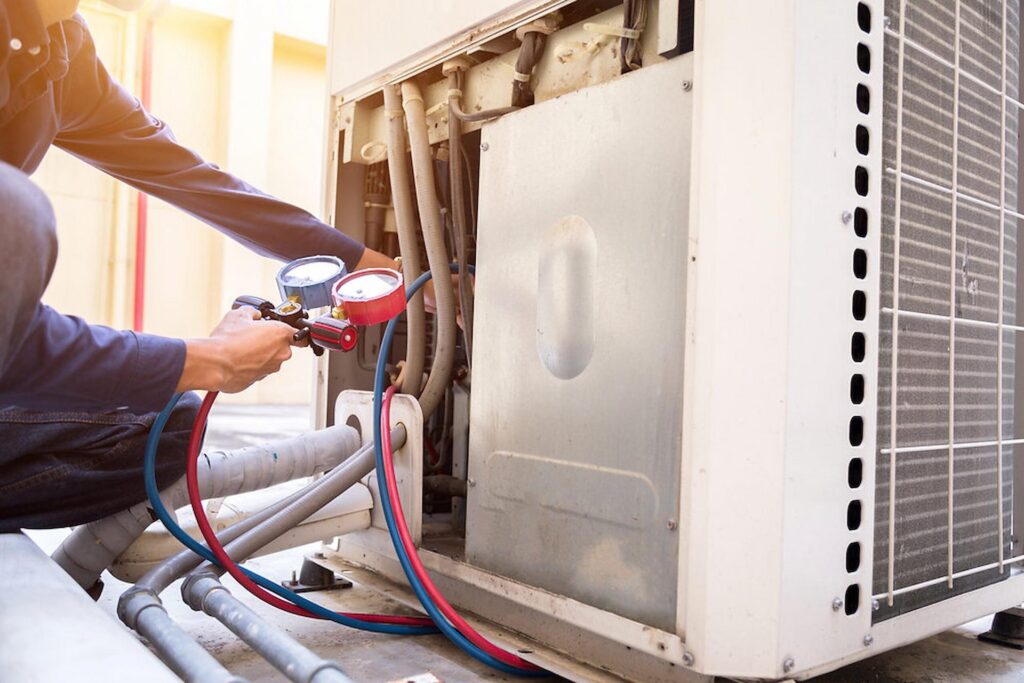
Your home’s HVAC system plays a vital role in maintaining year-round comfort, improving indoor air quality, and keeping energy costs under control. However, every homeowner eventually faces the question of whether it’s better to repair an existing heating and cooling system or replace it with a newer, more efficient model. Making the right decision isn’t always easy, especially when unexpected breakdowns occur or repair bills begin to add up. Understanding the age of your system, its overall performance, energy efficiency, and long-term operating costs can help you choose the most cost-effective solution.
Whether you’re dealing with inconsistent temperatures, rising utility bills, or searching for reliable HVAC repair Santa Clarita, this guide will walk you through the key factors to consider so you can protect your investment, improve home comfort, and make a confident decision about your HVAC system.
How Long Does an HVAC System Typically Last?
Most residential HVAC systems have a lifespan of 10 to 20 years, depending on the equipment, installation quality, maintenance, and usage.
Several factors influence longevity, including:
- Regular maintenance
- Proper installation
- Climate conditions
- Frequency of use
- Air filter replacement
If your system is relatively new and has been properly maintained, repairing it often makes financial sense. However, an older unit nearing the end of its expected lifespan may be better replaced.
When Repairing Your HVAC System Makes Sense
Not every HVAC issue requires a complete replacement. In many situations, a professional repair can restore performance at a reasonable cost.
The System Is Less Than 10 Years Old
Modern HVAC systems are designed to last well over a decade. If your equipment is still relatively young and has experienced only minor issues, repairing it is usually the most practical option.
Repairs Are Inexpensive
Simple problems such as:
- Faulty thermostats
- Clogged drain lines
- Worn capacitors
- Blown fuses
- Dirty coils
can often be repaired quickly without major expense.
Your Energy Bills Remain Stable
If your utility bills haven’t increased significantly and your system still heats and cools efficiently, a repair may restore full performance without requiring a replacement.
Repairs Are Infrequent
A system that has needed only one or two minor repairs over several years is generally worth fixing rather than replacing.
Signs It May Be Time for a Replacement
There comes a point when continuing to repair an aging HVAC system becomes more expensive than investing in new equipment.
Here are some common warning signs.
Your System Is More Than 15 Years Old
Older HVAC systems become less efficient over time. Even if they continue operating, they often consume significantly more energy than today’s high-efficiency models.
Replacing an older system can improve comfort while lowering monthly energy costs.
Frequent Breakdowns
If your HVAC technician seems to visit your home every season, repair costs can quickly add up.
Repeated failures often indicate that major components are wearing out, making replacement the more cost-effective long-term solution.
Rising Utility Bills
An aging HVAC system has to work harder to maintain indoor temperatures.
If you’ve noticed steadily increasing energy bills without significant changes in your usage habits, declining efficiency could be the cause.
Uneven Heating or Cooling
Do certain rooms feel too hot while others remain cold?
Uneven temperatures may indicate that your HVAC system is no longer capable of distributing air effectively. While ductwork issues sometimes contribute, an aging system can also be responsible.
Strange Noises or Odors
Persistent grinding, squealing, rattling, or banging noises should never be ignored.
Similarly, musty or burning smells may point to electrical issues, mold, or failing components that warrant professional evaluation.
Consider the Cost of Repairs
Many HVAC professionals use what’s commonly known as the “50% rule.”
If the cost of repairing your system approaches half the price of a new unit, replacement often provides better long-term value.
For example:
- A $300 repair on a newer system may be worthwhile.
- A $2,500 repair on a 16-year-old unit may not be.
Instead of focusing only on today’s repair bill, consider future maintenance expenses and expected remaining lifespan.
The Benefits of Replacing an Older HVAC System
Although replacing an HVAC system requires a larger upfront investment, it often delivers substantial long-term benefits.
Improved Energy Efficiency
Modern systems are built with advanced technology that uses less electricity while maintaining better indoor comfort.
Higher efficiency can reduce monthly utility costs throughout the life of the equipment.
Better Indoor Comfort
New HVAC systems provide:
- More consistent temperatures
- Better humidity control
- Quieter operation
- Improved airflow
These improvements create a more comfortable living environment year-round.
Lower Repair Costs
New equipment typically comes with manufacturer warranties and requires fewer repairs during its early years.
This can provide peace of mind while reducing unexpected maintenance expenses.
Increased Home Value
If you’re planning to sell your home in the coming years, a new HVAC system can be an attractive feature for potential buyers.
Energy-efficient upgrades often improve a property’s appeal in competitive real estate markets.
Questions to Ask Before Deciding
Before making your final decision, ask yourself:
- How old is my HVAC system?
- How often does it require repairs?
- Have my energy bills increased noticeably?
- Is my home consistently comfortable?
- Would investing in a new system save money over the next several years?
Answering these questions honestly can help you determine whether repair or replacement offers the better return on investment.
Work with a Qualified HVAC Professional
Because every home’s heating and cooling needs are different, it’s important to have your system inspected by an experienced HVAC technician.
A professional can evaluate:
- The condition of major components
- Overall efficiency
- Safety concerns
- Expected remaining lifespan
- Repair versus replacement costs
Rather than relying on guesswork, you’ll receive recommendations based on the actual condition of your equipment.
Conclusion
Choosing between repairing or replacing your HVAC system is an important decision that affects your home’s comfort, energy efficiency, and long-term expenses. While minor repairs can often extend the life of a newer unit, aging systems with frequent breakdowns and declining performance may no longer provide the value homeowners need.
By carefully evaluating repair costs, system age, energy consumption, and overall reliability, you can make a smart investment that supports both your budget and your family’s comfort. Consulting an experienced HVAC professional ensures you receive expert guidance based on your system’s actual condition. Whether you decide on a repair or a complete replacement, taking action early can help prevent costly emergencies, improve indoor air quality, reduce energy bills, and keep your home comfortable throughout every season.