


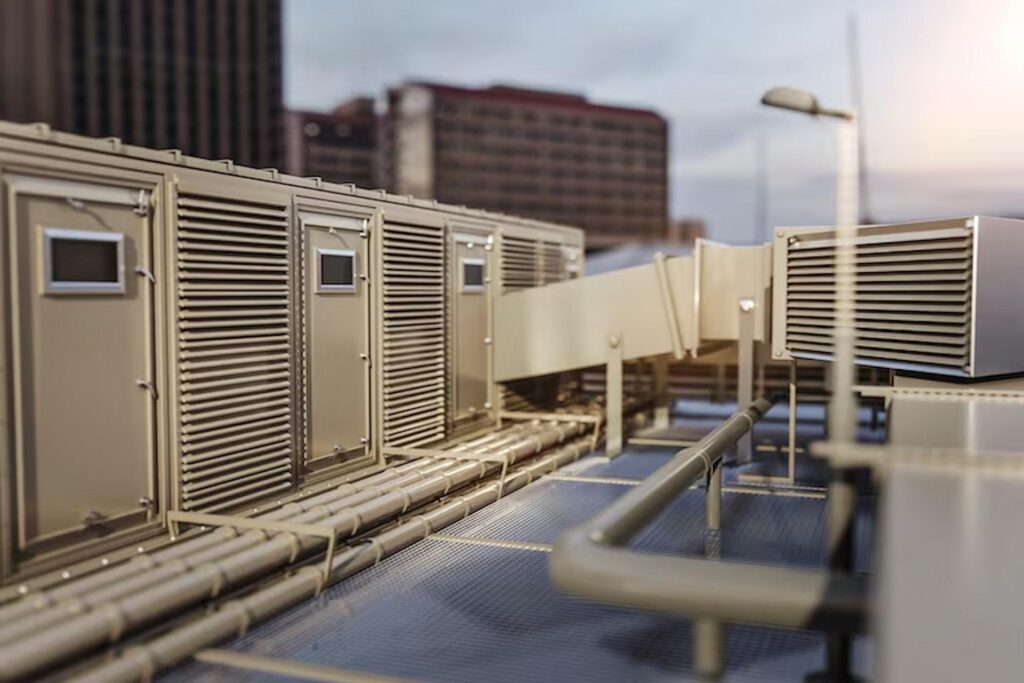
Energy costs continue to rise, making it more important than ever for homeowners to find effective ways to reduce monthly utility bills. While simple habits such as turning off unused lights and improving insulation can help, the condition of your heating and cooling system plays a major role in overall energy consumption. An outdated system often uses more energy than necessary, leading to higher costs and reduced comfort throughout the year.
Many homeowners exploring options such as HVAC installation in Swanton, OH are discovering that modern heating and cooling systems can significantly improve efficiency while lowering ongoing energy expenses. Upgrading older equipment is often one of the most effective investments a homeowner can make.
Understanding the Connection Between HVAC Systems and Energy Costs
Heating and cooling account for a substantial portion of household energy usage. Whether keeping a home warm during winter or cool during summer, HVAC systems work hard throughout the year to maintain a comfortable indoor environment.
As systems age, components naturally wear down. Motors become less efficient, airflow may decrease, and internal parts often require more effort to perform the same tasks they once handled easily. The result is increased energy consumption and higher utility bills.
Even when older systems appear to be functioning properly, they may be operating far below modern efficiency standards. This means homeowners could be paying more every month without realizing how much energy is being wasted.
Why Modern HVAC Systems Are More Efficient
Advancements in heating and cooling technology have transformed the way modern systems operate. Manufacturers now focus heavily on energy efficiency, comfort, and long-term performance.
Newer systems are designed to use less energy while delivering better results. Many models feature advanced compressors, improved heat exchangers, and intelligent controls that help regulate temperature more accurately.
These improvements allow homeowners to enjoy consistent comfort without the excessive energy use often associated with older equipment. Over time, even modest improvements in efficiency can lead to significant savings on monthly energy bills.
The Benefits of Variable-Speed Technology
One of the most important developments in modern HVAC systems is variable-speed technology. Traditional systems typically operate at full power whenever they turn on. This approach can lead to energy waste and noticeable temperature fluctuations.
Variable-speed systems work differently. They adjust their output based on current heating or cooling demands. Instead of repeatedly cycling on and off, they operate at lower levels for longer periods when appropriate.
This creates a more stable indoor temperature and reduces unnecessary energy consumption. Homeowners often notice improved comfort because the system maintains conditions more consistently throughout the day.
Smart Thermostats and Energy Savings
Technology has made it easier than ever for homeowners to control their energy usage. Smart thermostats are now a common feature in many updated HVAC systems.
These devices allow users to create schedules, adjust temperatures remotely, and monitor energy consumption through mobile applications. Some models even learn household routines and automatically optimize settings to improve efficiency.
By avoiding unnecessary heating or cooling when no one is home, smart thermostats help reduce wasted energy. Small adjustments made consistently throughout the year can result in noticeable savings.
Improved Indoor Comfort Throughout the Home
Lower energy bills are often the primary reason homeowners consider upgrading their HVAC systems, but comfort improvements are equally valuable.
Older systems frequently struggle to maintain consistent temperatures throughout a property. Certain rooms may feel warmer or cooler than others, creating an uneven indoor environment.
Modern systems are designed to distribute air more effectively. Enhanced airflow and improved temperature control help eliminate uncomfortable hot and cold spots. As a result, homeowners enjoy a more comfortable living space regardless of outdoor weather conditions.
Better humidity management is another advantage. Excess humidity can make a home feel warmer during summer, while low humidity may cause discomfort during winter. Updated systems help maintain balanced indoor conditions year-round.
Better Indoor Air Quality
Indoor air quality has become an increasingly important consideration for homeowners. Dust, pollen, pet dander, and other airborne particles can affect comfort and overall wellbeing.
Many modern HVAC systems include advanced filtration options that help capture contaminants before they circulate throughout the home. Improved filtration contributes to cleaner indoor air and may help reduce allergy symptoms for some occupants.
A properly functioning system also supports healthy airflow, helping to minimize stagnant air and improve overall indoor conditions.
Signs That Your Current System May Need Replacing
Determining whether to repair or replace an HVAC system can be challenging. However, several warning signs may indicate that replacement is the more cost-effective solution.
One common indicator is a steady increase in energy bills despite no major changes in usage habits. This often suggests declining efficiency.
Frequent repairs can also signal that a system is nearing the end of its useful life. Repair costs can accumulate quickly, making replacement a more practical long-term investment.
Homeowners may also notice inconsistent temperatures, unusual noises, reduced airflow, or difficulty maintaining desired thermostat settings. These issues often become more common as systems age.
In general, heating and cooling systems that are more than ten to fifteen years old may benefit from an efficiency assessment and replacement evaluation.
The Importance of Proper System Sizing
Choosing the right HVAC system is just as important as selecting an energy-efficient model. A system that is too small may struggle to maintain comfortable temperatures, while an oversized system may cycle on and off too frequently.
Both situations can reduce efficiency and increase operating costs.
Professional installers perform detailed calculations to determine the correct system size based on factors such as square footage, insulation levels, window placement, and local climate conditions.
Proper sizing helps maximize performance, comfort, and energy savings over the life of the system.
Why Professional Installation Matters
Even the most advanced HVAC equipment cannot perform at its best if it is installed incorrectly. Professional installation plays a critical role in achieving optimal efficiency.
Experienced technicians ensure that airflow is balanced, refrigerant levels are correct, and all components are operating according to manufacturer specifications.
A properly installed system is more likely to achieve its advertised efficiency ratings, deliver consistent comfort, and provide reliable performance for many years.
Long-Term Financial Benefits of Upgrading
While replacing a heating and cooling system requires an upfront investment, the long-term benefits often outweigh the initial cost. Lower energy bills provide ongoing savings that accumulate year after year.
New systems typically require fewer repairs and often come with manufacturer warranties that offer additional peace of mind. Improved efficiency also reduces strain on system components, helping to extend equipment lifespan.
For homeowners planning to sell in the future, an energy-efficient HVAC system can also enhance property appeal and potentially contribute to overall market value.
Investing in Efficient Heating for Long-Term Savings
Managing household energy costs starts with making informed improvements to the systems that consume the most power. An aging heating system can become less efficient over time, leading to higher utility bills and reduced indoor comfort. Upgrading to a modern, energy-efficient heating solution can help homeowners maintain a warm and comfortable home while using less energy throughout the colder months.
Today’s heating systems are designed to provide reliable performance, improved temperature control, and greater efficiency than older models. Whether replacing an outdated furnace or investing in a complete heating system upgrade, homeowners can benefit from lower operating costs and fewer maintenance concerns. With professional installation and regular upkeep, an updated heating system can deliver dependable comfort, enhanced efficiency, and long-term savings for years to come.