


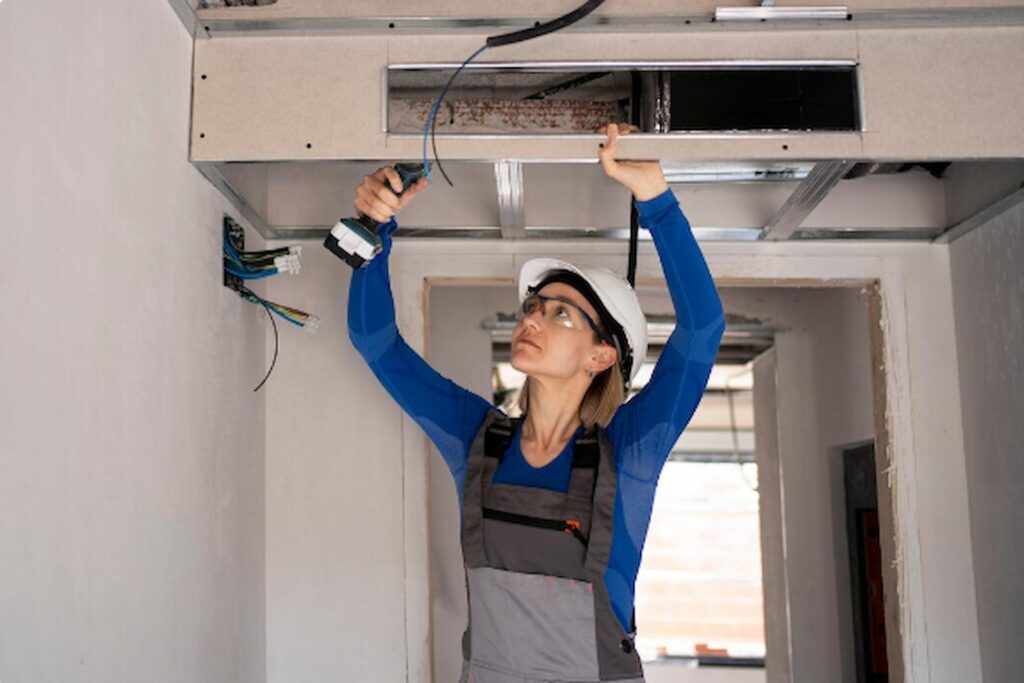
A heating and cooling system is one of the most important energy consumers in any home. While homeowners often focus on buying high-efficiency units, installation quality has an equally powerful impact on performance. Even the most advanced HVAC equipment can waste energy if it is installed incorrectly.
Proper HVAC installation ensures the system runs smoothly, distributes air evenly, and operates at its intended efficiency. This directly affects electricity consumption, indoor comfort, and long-term maintenance costs. Homeowners who work with a qualified HVAC contractor in Blue Ridge, VA often notice significant improvements in temperature stability, air quality, and energy savings.
This outline explores the critical relationship between installation practices and home energy efficiency. It highlights the key factors that influence performance, explains why professional expertise matters, and offers practical insights to help homeowners make informed decisions.
The Foundation of Energy Efficiency: Why HVAC Installation Matters
Energy efficiency begins long before a system is turned on for the first time. It starts during installation. Many homeowners believe efficiency depends solely on the equipment’s rating, such as SEER or AFUE. However, even a high-rated unit can perform poorly if it is installed incorrectly.
Proper installation ensures the system is correctly sized, carefully positioned, and securely connected to the home’s ductwork and electrical systems. When these elements are aligned properly, the HVAC unit operates efficiently and delivers consistent comfort throughout the house.
Poor installation, on the other hand, can create several hidden problems that increase energy consumption.
Common consequences of improper installation include:
- Uneven temperature distribution
- Increased energy bills
- Frequent system cycling
- Reduced equipment lifespan
- Excessive noise or vibration
Because heating and cooling systems typically account for 40–50% of a home’s energy use, even small installation errors can have a noticeable impact on household energy costs.
Correct System Sizing: The First Step Toward Lower Energy Bills
One of the most common HVAC installation mistakes involves incorrect system sizing. A system that is too large or too small for the home will struggle to maintain optimal performance.
Oversized systems cool or heat spaces too quickly. This may sound beneficial, but it actually reduces efficiency. When the system cycles on and off frequently, it consumes more energy and fails to remove humidity effectively.
Undersized systems create a different challenge. They must run continuously in an attempt to reach the desired temperature. This constant operation leads to higher energy use and increased wear on system components.
Professional HVAC installers determine the correct system size through a detailed load calculation, which evaluates factors such as:
- Square footage of the home
- Insulation levels
- Window placement and size
- Ceiling height
- Local climate conditions
- Number of occupants
By analysing these variables, professionals ensure the system capacity matches the home’s actual heating and cooling demands. This precise sizing process plays a major role in maintaining efficient operation.
Ductwork Design and Airflow: The Hidden Key to HVAC Efficiency
While HVAC equipment often receives the most attention, the duct system is equally important. Ductwork acts as the distribution network that delivers conditioned air throughout the home.
If ducts are poorly designed, improperly sealed, or incorrectly installed, a large portion of heated or cooled air can escape before reaching living spaces. Studies from energy efficiency programs have shown that up to 30% of airflow can be lost through duct leaks in some homes.
Professional installers carefully evaluate duct layout and airflow requirements to prevent these issues.
Important ductwork considerations include:
- Proper duct sizing for balanced airflow
- Sealing joints to prevent air leaks
- Insulating ducts in unconditioned spaces
- Reducing unnecessary bends or restrictions
- Ensuring adequate return air pathways
When ductwork functions correctly, the HVAC system distributes air evenly and uses less energy to maintain the desired temperature.
Thermostat Placement and Smart Controls
Thermostats act as the command centre for heating and cooling systems. Their placement and configuration significantly influence system performance and energy use.
If a thermostat is installed near heat sources, windows, or direct sunlight, it may misread the room temperature. This causes the HVAC system to operate longer than necessary.
Proper installation ensures the thermostat is placed in a location that accurately reflects the home’s average temperature. This allows the system to respond appropriately to actual heating and cooling needs.
Modern HVAC systems also support advanced control technologies, including:
- Smart thermostats
- Zoned heating and cooling
- Programmable temperature schedules
- Mobile app monitoring
These features improve energy efficiency by adjusting system operation based on daily routines and occupancy patterns.
When installed correctly, smart controls can reduce unnecessary energy use while maintaining comfort.
Refrigerant Levels and Electrical Connections
Another critical installation factor involves refrigerant charging and electrical setup. HVAC systems rely on precise refrigerant levels to transfer heat effectively.
If the refrigerant charge is too high or too low, the system must work harder to achieve the desired temperature. This increases energy consumption and can eventually damage internal components such as compressors.
Professional installers use specialised tools to measure refrigerant pressure and adjust levels according to manufacturer specifications.
Equally important are the system’s electrical connections. Incorrect wiring can reduce system efficiency or create safety risks.
A professional installation process includes:
- Proper refrigerant charging
- Secure electrical connections
- Testing voltage and current flow
- Inspecting system safety controls
These steps ensure the HVAC system operates safely and efficiently from the start.
Long-Term Benefits of Professional HVAC Installation
Investing in professional installation offers benefits that extend far beyond the initial setup. A properly installed system runs more efficiently, experiences fewer breakdowns, and lasts longer.
Homeowners often notice improvements in comfort immediately after installation. Rooms maintain consistent temperatures, airflow feels balanced, and humidity levels remain stable.
Some of the most significant long-term benefits include:
- Lower monthly energy bills
- Improved indoor air quality
- Reduced repair frequency
- Longer equipment lifespan
- Quieter system operation
In Conclusion:
Heating and cooling systems play a central role in both home comfort and energy consumption. While high-efficiency equipment is important, proper installation ultimately determines whether that efficiency is realised.
Correct system sizing, well-designed ductwork, accurate refrigerant charging, and strategic thermostat placement all contribute to optimal performance. These factors work together to ensure the HVAC system operates smoothly, consumes less energy, and maintains a comfortable indoor environment.
Homeowners who work with an experienced HVAC contractor in Blue Ridge, VA gain the advantage of professional expertise and careful installation practices. This investment helps reduce energy bills, improve system reliability, and support long-term home comfort.
When installation is done correctly, the result is a heating and cooling system that performs efficiently for years to come.