


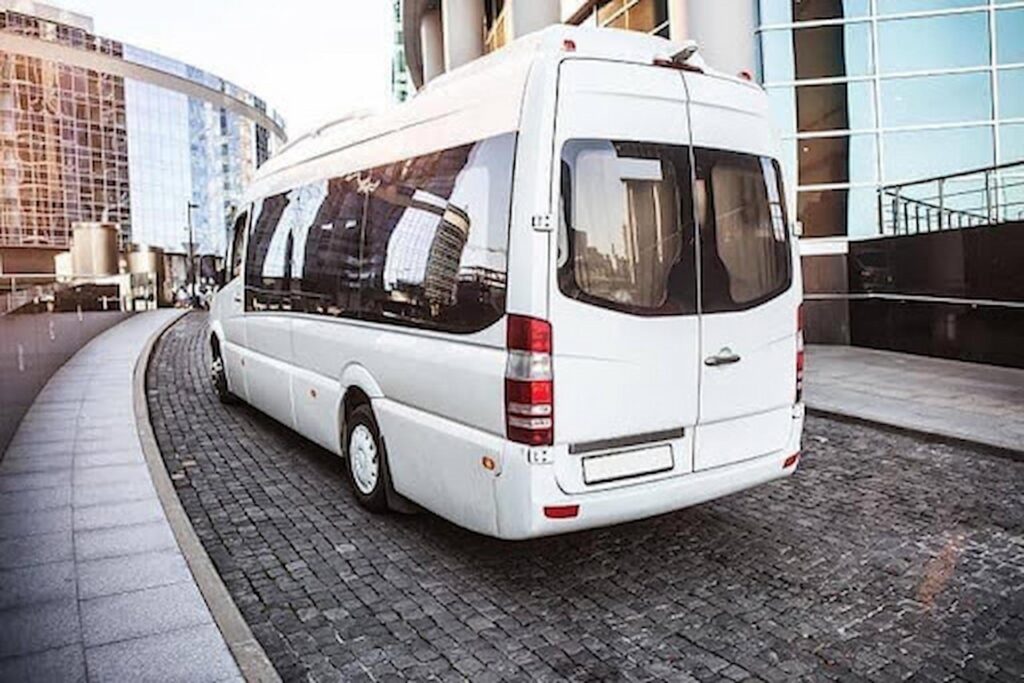
Passenger pick-up points should be planned before a minibus journey starts. A poor collection point can delay the driver, confuse passengers and create avoidable safety issues. This matters more when several people are travelling together, because one unclear stop can affect the whole group.
The first issue is access. A minibus needs more space than a car, so the driver should know whether the vehicle can stop safely near the passenger group. Narrow streets, school gates, hotel entrances, care home driveways and sports club car parks can all create problems if the vehicle arrives without a plan.
The second issue is passenger movement. Some passengers may need more time to board. A group may include older people, children, workers, students or people who need extra help entering the vehicle. The driver should know whether the pick-up point gives passengers enough room to board without rushing or blocking other traffic.
For operators, minibus insurance sits behind this work when the vehicle carries several passengers for organised travel, private hire, schools, charities, clubs, care homes or employee transport. A minibus is not used in the same way as a standard private car, especially when it carries groups as part of a planned service.
Journey planning should include the exact side of the road, the safest stopping place and the best way for passengers to identify the vehicle. A postcode is not always enough. It may lead to the back of a building, a locked gate or a place where the vehicle cannot stop legally. Clear collection notes help the driver avoid guessing. These choices should be written down.
A driver should also think about the order of pick-ups. Collecting passengers in the wrong sequence can add distance, waste time and make early passengers sit in the vehicle longer than needed. The order should consider traffic, one-way roads, turning space and any passengers who need extra boarding time.
Pick-up points can also affect punctuality. A minibus that stops on a busy road may hold traffic and make the driver feel pressured. A stop inside a car park may be safer but slower. There is no single rule for every journey. The driver or operator should choose the point that best balances safety, timing and passenger access.
Choosing minibus insurance without clear details about vehicle use can also make the quote process weaker. The organisation should know whether the vehicle is used for private hire, community transport, education, employee transport, care work, sports clubs or similar group travel. The real use of the vehicle matters.
Good communication reduces confusion. Passengers should know the collection time, vehicle description, pick-up point and what to do if they are late. Group leaders should have the driver or office contact details. This helps avoid repeated calls and keeps the driver focused on the journey.
Drivers should avoid unsafe informal stops. A passenger may ask to be collected from a corner, busy junction or restricted area because it feels convenient. The driver still needs to choose a lawful and sensible place to stop. Passenger convenience should not override road safety.
Pick-up planning also matters for return journeys. A venue that works well for drop-off may not work well later when crowds, parked cars or locked gates change access. The driver should agree where the group will meet after the event, appointment or activity. If the meeting point changes, the new instruction should be shared with everyone before the vehicle arrives.
Minibus insurance does not choose the safest kerb, entrance or car park. That remains a planning decision for the operator and driver. A strong journey plan should make the collection point clear before the vehicle arrives.
The main point is practical. Minibus journeys often involve several passengers, different boarding needs and limited space for stopping. Well-planned pick-up points reduce delays, improve safety and help the driver deliver a more organised service.