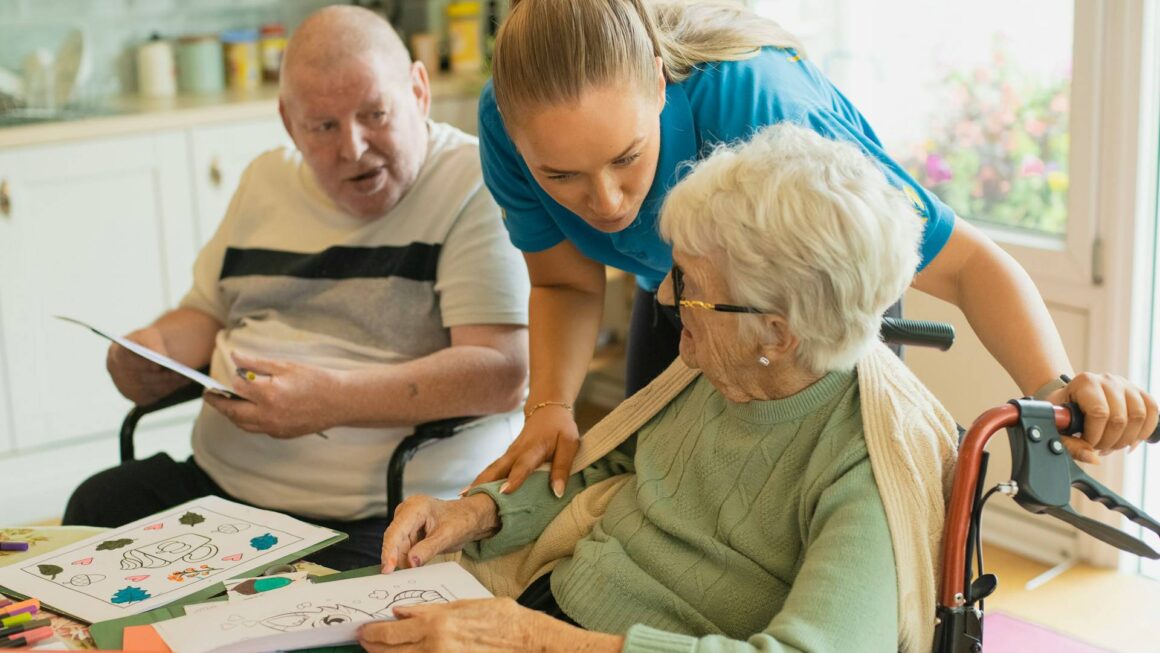

Growing older does not mean giving up control over daily life. With the right support, many older adults can continue living comfortably in familiar surroundings. In-home care offers a balanced approach that preserves independence while providing essential assistance, helping individuals maintain dignity, confidence, and a strong sense of personal identity.
Independence is closely tied to emotional wellbeing, self-esteem, and overall health. As people age, maintaining control over daily routines and decisions becomes even more important. The ability to choose what to eat, when to rest, or how to spend time contributes to a sense of purpose and stability.
In-home care services are designed to support—not replace—this independence. By offering personalised assistance, including specialised support such as Alzheimer’s Care at home, individuals can receive the help they need while continuing to live in a familiar and comfortable environment.
Studies consistently show that older adults who remain in their own homes often experience lower stress levels and better mental health compared to those in institutional settings. Familiar surroundings reduce confusion, particularly for those with memory-related conditions, and promote a sense of safety.
How In-Home Care Supports Daily Living
Personalised Assistance with Everyday Tasks
In-home care adapts to individual needs rather than applying a one-size-fits-all approach. Caregivers provide help with tasks such as:
- Meal preparation
- Personal hygiene and grooming
- Medication reminders
- Light housekeeping
This support allows older adults to stay engaged in their routines while avoiding unnecessary strain.
Encouraging Active Participation
Instead of taking over tasks entirely, caregivers often encourage individuals to remain involved. For example, someone may still participate in cooking or organising their space with gentle assistance.
This approach reinforces independence and helps maintain physical and cognitive abilities.
The Role of Familiar Environments
Comfort and Emotional Security
Living in a familiar home environment provides emotional stability. Memories associated with personal belongings, neighbourhoods, and daily habits create a sense of continuity that is difficult to replicate elsewhere.
Reduced Risk of Confusion
For individuals with cognitive challenges, unfamiliar settings can increase anxiety and disorientation. Remaining at home helps reduce these risks and supports clearer thinking patterns.
Supporting Cognitive Health and Memory
Structured Routines
In-home care helps establish consistent daily routines, which are especially beneficial for those experiencing memory decline. Predictable schedules improve focus and reduce feelings of uncertainty.
Gentle Cognitive Engagement
Caregivers often introduce simple mental activities such as conversation, reading, or light problem-solving tasks. These activities help maintain cognitive function without overwhelming the individual.
In the middle of this support system, services like Alzheimer’s Care at home play a crucial role by offering specialised care that focuses on memory preservation and emotional reassurance.
Promoting Physical Health and Mobility
Safe Movement and Fall Prevention
Falls are a major concern for older adults. In-home caregivers help reduce risks by:
- Assisting with mobility
- Ensuring safe home arrangements
- Providing support during daily activities
Encouraging Light Physical Activity
Remaining active is essential for maintaining strength and flexibility. Caregivers can support simple exercises or walking routines that suit the individual’s ability level.
Even small movements can significantly improve overall health and independence.
Emotional and Social Benefits
Reducing Loneliness
Social isolation is a common challenge among older adults. Regular interaction with a caregiver provides meaningful companionship and emotional support.
Building Trust and Comfort
Over time, a consistent caregiver relationship fosters trust. This sense of familiarity encourages open communication and helps individuals feel more at ease when receiving assistance.
Flexibility That Adapts to Changing Needs
Scalable Care Plans
One of the strongest advantages of in-home care is flexibility. Support can range from a few hours a week to full-time assistance, depending on evolving needs.
Maintaining Control
Older adults and their families can adjust care levels as circumstances change. This ensures that support remains appropriate without compromising independence.
Practical Tips for Supporting Independence at Home
- Encourage involvement in daily activities rather than completing tasks entirely for them
- Maintain consistent routines to provide structure and reduce confusion
- Adapt the home environment to improve safety without limiting movement
- Promote open communication about preferences and comfort levels
- Focus on strengths rather than limitations to build confidence
Balancing Support and Autonomy
The key to effective in-home care lies in balance. Too much intervention can reduce confidence, while too little support can create risk. A thoughtful approach ensures that individuals receive help where needed while retaining control over their lives.
Services such as Alzheimer’s Care at home are particularly valuable in achieving this balance. They provide specialised support while respecting personal dignity and encouraging independence at every stage.
Final Thoughts
In-home care offers more than practical assistance—it creates an environment where older adults can continue living with dignity, purpose, and comfort. By combining personalised support with familiar surroundings, it allows individuals to maintain control over their daily lives.
As needs evolve, flexible care ensures that independence is preserved without compromising safety or wellbeing. This approach not only benefits older adults but also provides reassurance to families, knowing their loved ones are supported in the most respectful way possible.