


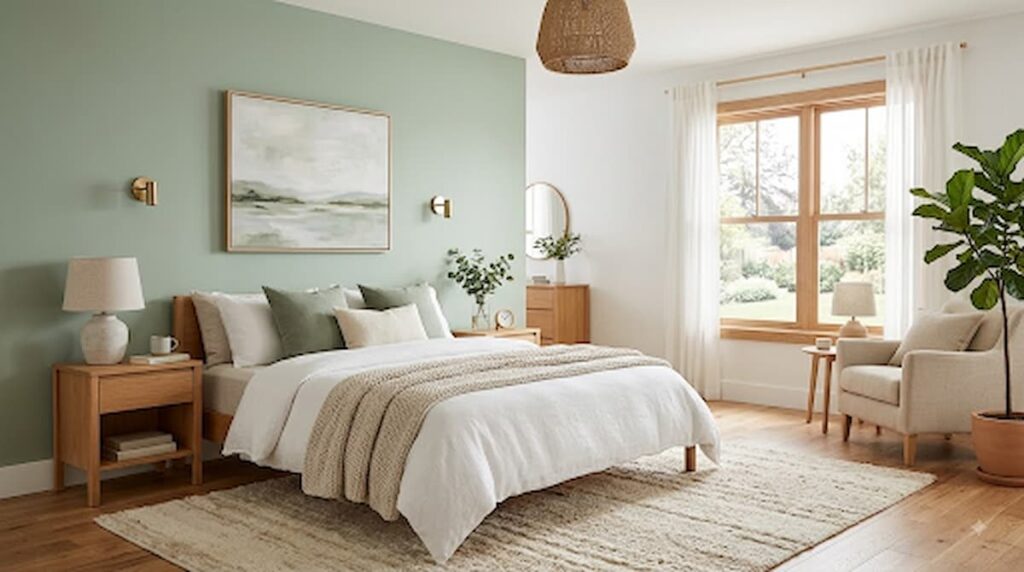
A bedroom should do more than look attractive. It should make it easier to relax, sleep, get ready in the morning, and keep everyday belongings organised. The best bedroom interior design balances comfort, function, and personal style without making the room feel crowded.
Whether you are decorating a spacious primary bedroom, a compact guest room, a shared bedroom, or a multifunctional space, thoughtful planning can make a significant difference. The right bed position, furniture scale, lighting, storage, colours, and textiles can turn an ordinary room into a comfortable personal retreat.
Start With the Bed Placement
The bed is usually the largest piece of furniture in a bedroom, so its position should guide the rest of the layout.
Whenever possible, place the bed where it has a clear relationship with the room’s entrance and windows without blocking natural light or access. A solid wall behind the headboard can create a sense of stability and make the bed feel like the focal point.
Leave enough space around the bed for comfortable movement. You should be able to get in and out without squeezing between furniture.
For larger bedrooms, avoid pushing every piece of furniture against the walls simply because there is available space. Creating defined zones can make a large room feel more balanced.
Choose Furniture That Fits the Room
Furniture proportions matter just as much as the furniture itself. An oversized bed, bulky wardrobe, or large chest of drawers can make a small bedroom feel cramped.
Before buying anything, measure the room and consider:
- Bed dimensions
- Wardrobe depth and door clearance
- Space needed to open drawers
- Walking routes around furniture
- Clearance beside the bed
- Window and door positions
- Radiators, vents, and other fixed features
In a compact bedroom, consider streamlined furniture with raised legs or a lighter visual profile. In a larger room, substantial furniture can provide the sense of scale needed to prevent the space from feeling empty.
The goal is not to fill every corner. It is to create a layout that feels comfortable and intentional.
Build a Layered Bedroom Lighting Scheme
Good bedroom lighting should support different activities throughout the day. A single ceiling fixture rarely provides enough flexibility.
Think in terms of three basic lighting layers.
Ambient Lighting
Ambient lighting provides general illumination. This might come from a central pendant, ceiling fixture, recessed lights, or carefully positioned wall lights.
Choose a warm, comfortable light rather than lighting that makes the room feel harsh or clinical.
Task Lighting
Task lighting provides focused illumination for specific activities. Bedside lamps are particularly useful for reading, while a desk lamp can support working or studying in a multifunctional bedroom.
Wall-mounted bedside lights can be especially useful in small bedrooms because they keep the bedside table clear.
Accent Lighting
Accent lighting adds atmosphere and highlights selected features. It can be used around shelving, artwork, architectural details, or behind a headboard.
Dimmable lighting is another useful addition. It allows you to create brighter conditions when getting ready and softer illumination when winding down.
Use Colour to Influence the Mood
Colour plays an important role in bedroom design because it affects the visual character of the space.
Soft neutrals, muted greens, warm whites, gentle blues, earthy tones, and subtle greys can create a relaxed atmosphere. That does not mean a bedroom has to be completely neutral.
If you prefer stronger colours, consider using them on one feature wall, in bedding, curtains, artwork, or smaller decorative pieces.
The most successful colour schemes usually have a sense of continuity. Choose a dominant colour, a supporting shade, and one or two accent tones rather than introducing too many competing colours.
Also consider the amount of natural light entering the room. A colour that looks warm and inviting in a bright room may appear considerably darker in a north-facing or poorly lit bedroom.
Add Comfort With Textiles
Textiles are one of the easiest ways to make a bedroom feel warmer and more inviting.
Start with comfortable bedding and build layers with blankets, cushions, throws, curtains, and rugs. Combining different textures can create depth without requiring bold patterns.
For example, smooth bedding can be paired with a knitted throw, a textured cushion, and a soft rug. Natural materials such as cotton, linen, wool, and wood can also introduce visual warmth.
Avoid going too far, though. Too many cushions, throws, or decorative fabrics can make the bed difficult to use and create unnecessary visual clutter.
Choose the Right Flooring
Bedroom flooring should feel comfortable underfoot while complementing the overall design.
Carpet can provide warmth and softness, making it particularly suitable for bedrooms where comfort is a priority. Timber, laminate, engineered wood, and other hard flooring options can create a clean and versatile foundation.
If you prefer hard flooring but want more softness, place a large area rug underneath or around the bed. Ideally, the rug should extend far enough beyond the bed to provide a comfortable landing area when you get up.
Make Storage Part of the Design
Bedroom storage should be practical without dominating the room.
Built-in wardrobes can make efficient use of awkward spaces and provide a streamlined appearance. Freestanding wardrobes offer greater flexibility, particularly in rented properties.
Other useful solutions include:
- Under-bed storage
- Bedside tables with drawers
- Storage benches
- Wall-mounted shelving
- Built-in cupboards
- Slim chests of drawers
- Over-door storage
- Multifunctional furniture
Keep frequently used items within easy reach and reserve less accessible storage for seasonal clothing or belongings.
A useful principle is to keep visible surfaces relatively clear. The less everyday clutter you can see, the calmer the room is likely to feel.
Use Window Treatments for Comfort and Privacy
Window treatments affect both appearance and function.
Curtains can soften a bedroom and introduce colour or texture, while blinds provide a more streamlined look. Blackout curtains or blinds can be particularly useful where early morning sunlight affects sleep.
Layering window treatments can provide greater flexibility. For example, sheer curtains can allow natural daylight during the day while heavier curtains provide privacy and darkness at night.
Choose treatments according to the room’s practical needs rather than selecting them purely as decoration.
Create a Bedroom That Works for Its Size
Small Bedrooms
Small bedrooms benefit from careful furniture selection and strong organisation.
Use furniture that serves more than one purpose where possible. A bed with drawers, a desk that doubles as a dressing area, or wall-mounted bedside lighting can save valuable floor space.
Light colours and mirrors can also help the room feel more open, although they should support the overall design rather than become decorative clutter.
Large Bedrooms
Large bedrooms offer more flexibility but can sometimes feel cold or disconnected.
Create separate zones for sleeping, dressing, reading, or relaxing. A comfortable chair and side table can establish a reading corner, while a bench at the foot of the bed can provide both function and visual balance.
Use rugs, lighting, artwork, and furniture groupings to make the room feel cohesive.
Shared Bedrooms
Shared bedrooms need clear personal space without losing visual harmony.
Matching bedside tables can create symmetry, while individual lighting and storage areas allow each person to maintain their own routine. Where tastes differ, use a shared base colour and introduce individual preferences through smaller accessories.
Guest Bedrooms
A guest bedroom should be comfortable without being overloaded with personal belongings.
Provide a good bed, accessible lighting, space for clothing, a surface for personal items, and convenient access to power outlets. A mirror and a few thoughtful touches can also make visitors feel more comfortable.
Design a Multifunctional Bedroom Carefully
Bedrooms increasingly need to serve several purposes. A desk may be required for remote work, while a corner might need to accommodate reading, hobbies, or exercise.
The key is to create distinct zones rather than allowing different activities to compete for the same space.
A small desk can sit near a window where natural light is available. A reading chair can occupy an unused corner. Shelving can separate a work area from the sleeping zone without completely closing off the room.
When space is limited, choose furniture that can easily transition between uses.
Avoid Common Bedroom Design Mistakes
Even attractive bedrooms can become uncomfortable when the layout is not carefully considered.
Choosing Oversized Furniture
Large furniture can reduce circulation and make a bedroom feel smaller than it actually is. Always check dimensions before purchasing.
Relying on One Light Source
A single overhead light creates limited flexibility. Combine ambient, task, and accent lighting for a more comfortable result.
Ignoring Bedside Lighting
Bedside lighting is practical for reading and nighttime routines. It also prevents the need to use bright overhead lighting when you are trying to relax.
Overdecorating
Bedrooms should feel personal, but excessive decoration can create visual noise. Select meaningful pieces rather than displaying everything at once.
Blocking Natural Light
Tall furniture positioned directly in front of windows can make a bedroom feel darker and less spacious. Consider how furniture affects daylight before finalising the layout.
Forgetting Circulation
A beautiful bedroom is still frustrating if you cannot move around it comfortably. Keep walking routes clear and make sure doors and drawers can open fully.
Affordable Bedroom Improvements
You do not need a complete renovation to improve bedroom design.
Some relatively simple changes can have a noticeable effect:
- Replace harsh bulbs with warmer lighting.
- Add a textured rug beside or underneath the bed.
- Update bedding with coordinated colours and fabrics.
- Declutter visible surfaces.
- Rearrange furniture to improve circulation.
- Add curtains that complement the room’s colour palette.
- Introduce one or two plants where natural light allows.
- Replace mismatched storage with coordinated pieces.
- Add artwork or a carefully chosen mirror.
- Upgrade bedside lighting.
These changes can refresh the room without requiring major construction or expensive furniture.
Premium Bedroom Upgrades
For a more substantial investment, consider built-in wardrobes, custom joinery, high-quality flooring, layered architectural lighting, upholstered headboards, or professionally designed storage.
Premium design should still begin with function. Spending more money does not automatically create a better bedroom. A well-planned room with comfortable proportions and thoughtful storage will generally outperform a room filled with expensive but poorly selected pieces.
How to Make a Bedroom Feel More Relaxing
A calm bedroom usually has fewer visual distractions and a consistent design language.
Start by reducing clutter. Then introduce soft textures, warm lighting, comfortable bedding, and colours that you personally find relaxing.
Natural materials can also help create a warmer atmosphere. Wood, woven fabrics, linen, cotton, and subtle greenery can add texture without overwhelming the space.
Most importantly, design the room around how you actually use it. If reading before bed is part of your routine, prioritise a comfortable reading light. If clothing organisation is a daily frustration, invest in better storage rather than another decorative accessory.
Frequently Asked Questions
What is the best colour for a bedroom?
There is no single best bedroom colour. Soft neutrals, muted blues, greens, warm whites, and earthy shades are popular because they can create a calm atmosphere. The best choice also depends on natural light and personal preference.
How should furniture be arranged in a small bedroom?
Start with the bed, then position the remaining furniture around clear walking routes. Choose appropriately scaled pieces and consider wall-mounted lighting or multifunctional storage to preserve floor space.
How many types of lighting should a bedroom have?
A well-designed bedroom generally benefits from ambient, task, and accent lighting. You do not necessarily need three separate fixtures, but the room should support general illumination, focused activities, and softer atmospheric lighting.
How can I make my bedroom look expensive on a budget?
Focus on consistency rather than price. Coordinated bedding, quality-looking curtains, warm lighting, uncluttered surfaces, textured fabrics, and carefully selected decorative pieces can make a bedroom feel more polished without a complete redesign.
What furniture should every bedroom have?
At minimum, most bedrooms need a comfortable bed and appropriate clothing storage. Depending on the space and routine, useful additions may include bedside tables, lighting, a mirror, a chair, a dresser, or a desk.
Conclusion
Good bedroom interior design is about more than choosing attractive furniture and colours. It is about creating a space that supports rest, organisation, comfort, and everyday routines.
Start with the layout and bed placement, then consider furniture proportions, storage, lighting, colour, textiles, flooring, and window treatments. Whether you are working with a compact bedroom or a spacious retreat, thoughtful decisions can make the room feel calmer and more functional.
The best bedroom is ultimately one that works for you. Prioritise comfort, remove unnecessary clutter, and choose design elements that make the space feel welcoming. With the right balance of practicality and personality, even simple changes can turn a bedroom into a genuine personal retreat.