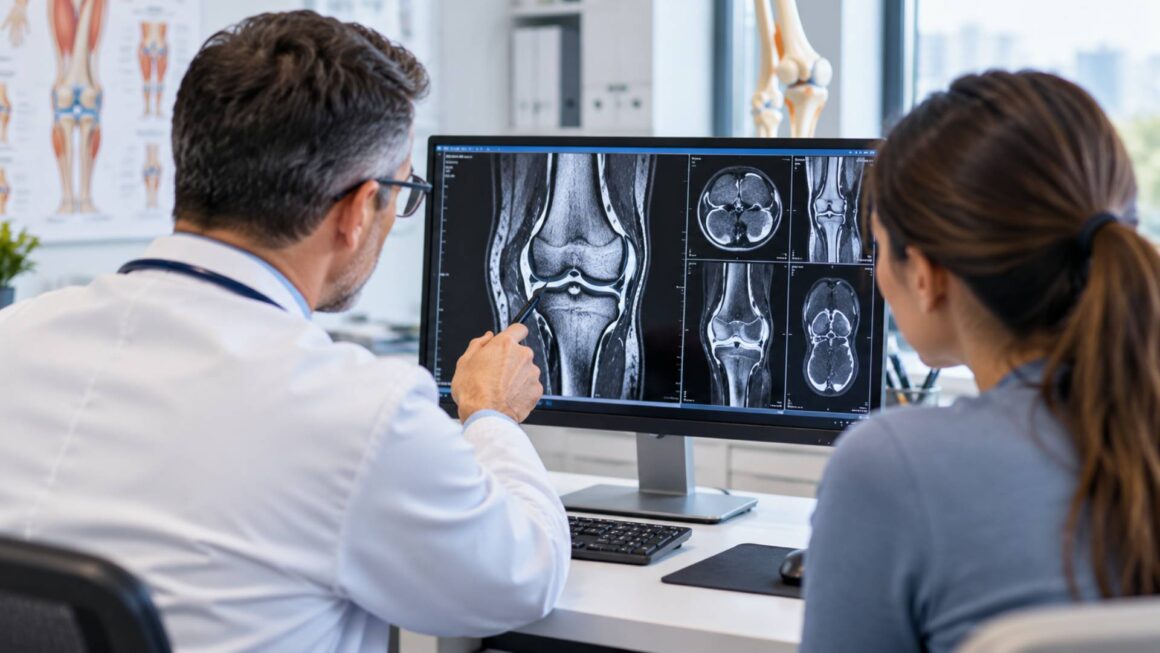
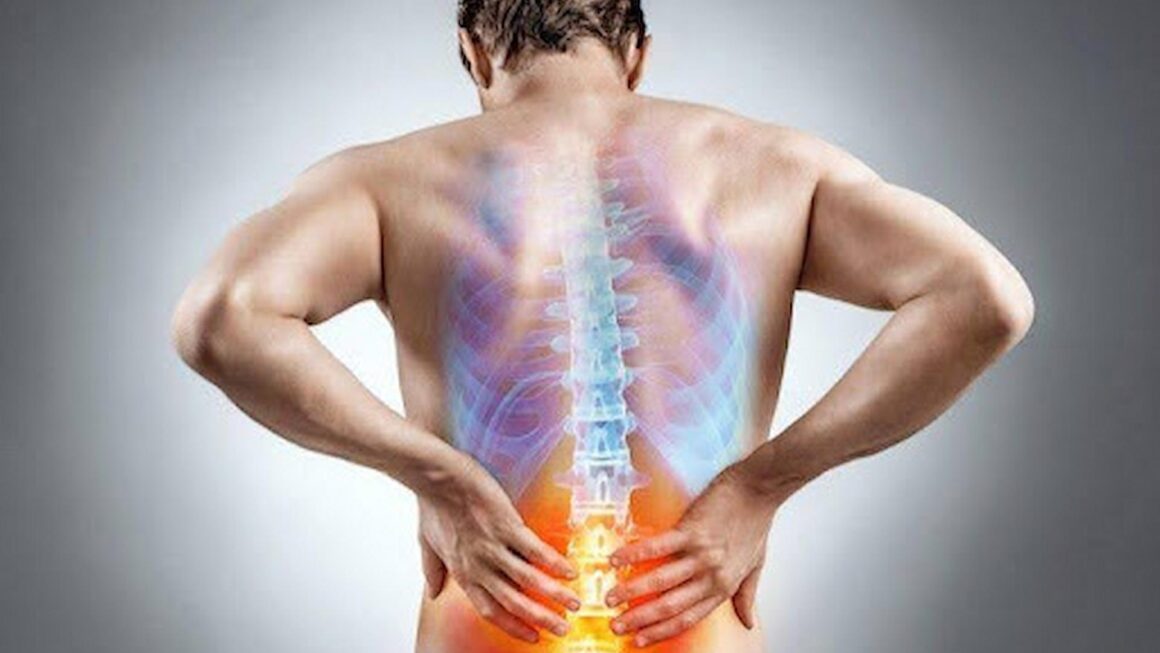
Returning to movement after spine surgery involves more than healing the surgical site, but protecting the whole body. Spine surgery can provide relief from pain and restore function, but the recovery process brings its challenges. Dr. Larry Davidson, a specialist in the field, explains that one of the most overlooked risks after spine surgery is the development of compensation for injuries. These injuries occur when the body shifts stress to other joints or muscles, leading to strain in areas such as the hips, knees or shoulders. Recognizing and addressing these risks early is key to preventing setbacks and supporting long-term success.
Compensation injuries can emerge gradually, often without obvious symptoms, until they begin to interfere with performance or daily function. These issues can delay recovery and shift focus away from the original surgical site. A thoughtful rehabilitation program that emphasizes full-body strength, balanced movement patterns and joint alignment helps reduce these risks. By addressing imbalances early, athletes and patients alike can move forward with greater efficiency, confidence and long-term protection.
What Are Compensation Injuries?
Compensation injuries happen when the body alters its natural biomechanics to protect a healing area or adapt to pain. After spine surgery, even small changes in posture, gait or movement can create imbalances. These adjustments may offload the spine but shift stress to other parts of the kinetic chain.
For example, an athlete who reduces trunk rotation to protect the spine might place extra strain on the hips during running or swinging motions. Similarly, limited spinal mobility can lead to excessive motion at the shoulders during overhead tasks, increasing the risk of strain or overuse. These compensation patterns are not always easy to spot without careful assessment. They can develop gradually as athletes resume activities and, if left unaddressed, may contribute to new injuries.
Common Sites of Compensation Strain
Several areas of the body are particularly vulnerable to compensation injuries following spine surgery:
- Hips – Reduced spinal mobility or core control can place added stress on the hips during movements that involve rotation or lateral shifting. It may lead to hip flexor or gluteal strain.
- Knees – Altered gait mechanics can increase knee loading, especially during walking, running or jumping. Patellar tracking issues and tendon strain are common consequences.
- Shoulders – Limited trunk rotation or stability can cause the shoulders to compensate during reaching or overhead movements, contributing to impingement, tendonitis or instability.
- Feet and ankles – Changes in stride length or foot placement can lead to uneven loading, which can cause discomfort or injury over time.
These compensation patterns often develop subtly, making it essential for recovery teams to monitor movement quality closely during rehabilitation.
The Role of the Kinetic Chain
The body’s kinetic chain describes how joints and muscles work together to produce coordinated movement. When one link in the chain, such as the spine, is affected, the entire system must adjust. These adjustments are sometimes necessary in the short term to protect healing tissues, but they can create problems if they persist beyond the early stages of recovery.
A healthy kinetic chain distributes loads evenly and allows for smooth, efficient movement. When compensation disrupts this balance, certain joints or muscles bear more than their share of the load. Over time, this can lead to fatigue, strain and injury.
Strategies to Prevent Compensation Injuries
A well-designed rehabilitation program addresses the risk of compensation for injuries by focusing on movement quality, strength, balance and body awareness. Several key strategies help reduce the risk:
- Early movement education – Teaching athletes how to move safely and efficiently from the start helps prevent poor habits. It includes guidance on posture, lifting mechanics and gait.
- Progressive core strengthening – A stable core supports the spine and reduces reliance on compensatory patterns. Exercises that target deep trunk muscles improve control, without adding unnecessary stress.
- Full-body conditioning – Strengthening the entire kinetic chain, not just the spine and immediate surrounding muscles, promotes balanced movement and load distribution.
- Movement pattern retraining – Video analysis and real-time feedback help athletes identify and correct compensation. Rebuilding natural movement patterns reduces the risk of overuse in other joints.
- Gradual sport-specific reintegration – Returning to sport-specific drills stepwise allows time to reinforce correct mechanics and address emerging compensation patterns.
Physical therapists and strength coaches play a key role in guiding this process. Regular reassessment ensures that the program adapts to the athlete’s progress and changing needs.
Recognizing Warning Signs
Compensation injuries can be prevented more effectively when athletes and their recovery teams recognize early signs of trouble. These may include:
- New or increasing pain in areas away from the spine
- Difficulty controlling certain movements despite spinal improvements
- Asymmetrical muscle fatigue or soreness after workouts
- Decreased performance in familiar tasks, such as running or lifting
Dr. Larry Davidson mentions that athletes are encouraged to report these changes promptly, rather than pushing through discomfort. Early intervention helps prevent minor issues from becoming significant setbacks.
Addressing Compensation Injuries
When compensation injuries do occur, the first step is to modify activity to reduce stress in the affected area. It may involve adjusting load, intensity or movement patterns. Therapists focus on addressing the root cause of the compensation, rather than just treating the site of pain.
Targeted exercises help correct imbalances, while manual therapy may assist with tissue mobility or alignment. Recovery teams also revisit core control, posture and movement strategies to reinforce proper mechanics and reduce future risks.
The Importance of Collaboration
Preventing and managing compensation for injuries requires collaboration among the full recovery team. Surgeons, therapists, athletic trainers and coaches work together to monitor mechanics, adjust training and support the athletes’ goals. Open communication helps ensure that potential issues are identified and addressed early.
Athletes who understand the role of the kinetic chain and the importance of balanced movement are better equipped to take an active role in their recovery. This awareness builds long-term habits that protect not only the spine but the entire body.
Building Resilience for the Future
Compensation injuries highlight the importance of viewing recovery as a full-body process. By focusing on balanced strength, efficient movement and early correction of compensatory patterns, athletes build resilience that extends beyond their return to sport.
A thoughtful approach to rehabilitation helps ensure that the benefits of spine surgery are not undermined by avoidable injuries elsewhere. Athletes who engage fully in this process often emerge stronger, more aware of their bodies and better prepared for the demands of their sport.